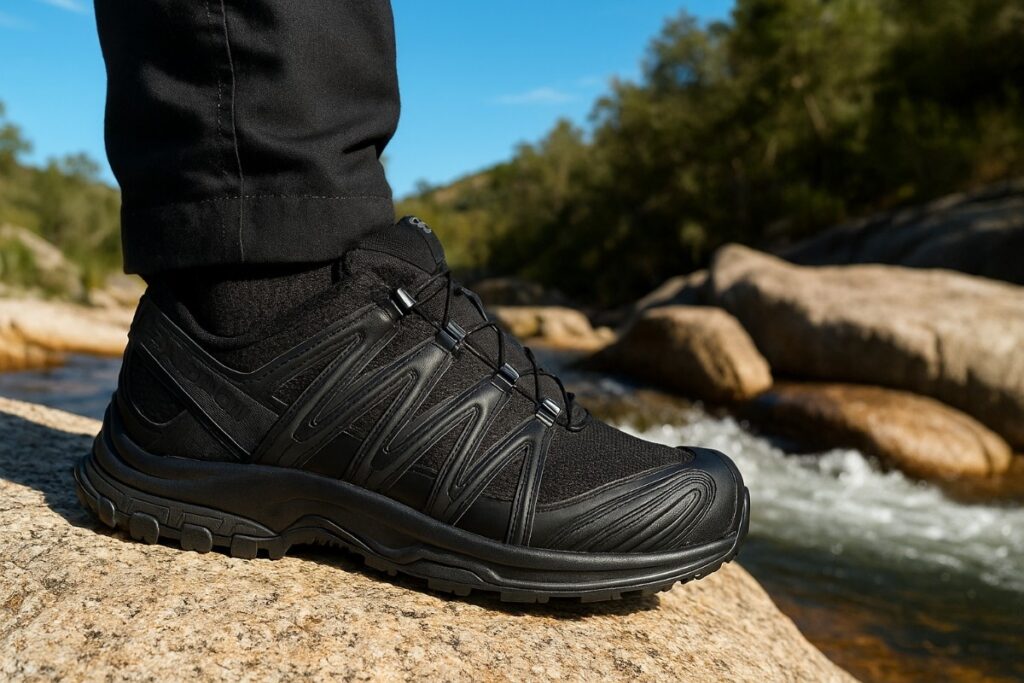
The Salomon XA Pro 3D is a rugged, stability-oriented trail shoe with a 3D Advanced Chassis that delivers locked-in support and protection—ideal when you’re hammering over rock, roots, or loose ground.
Our Verdict
Best Stability-Focused Trail Shoe for Mixed Terrain.
The Salomon XA Pro 3D is a stability-first trail shoe that offers bootlike protection in a low-cut package and suits hikers who value security over ultralight speed. Imagine stepping onto a wet boulder and feeling the chassis hold your foot steady so you notice the route rather than your shoe. Its 3D Advanced Chassis and firm EVA midsole deliver directional control, while the All Terrain Contagrip outsole and reinforced toe cap add durable traction and blunt rock impacts. Quicklace makes on-trail fit adjustments fast, and a Gore-Tex option tends to keep feet dry in persistent wet weather.
Caveat: the XA Pro 3D leans toward weight and firmness, which matters on long, fast runs when nimble responsiveness is desired. Best for hikers and fast-packers who want protection and stability. Buy if you prioritize security; skip if you need a lightweight racer.
Specs
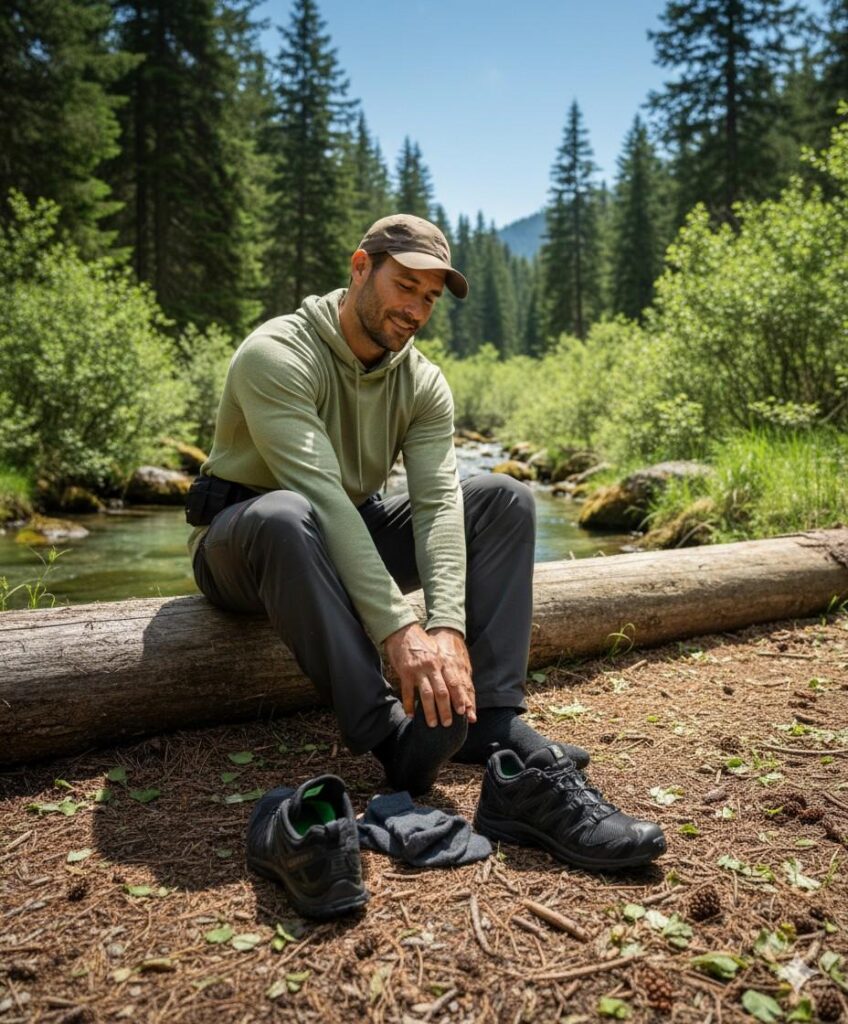
- Best For: Technical trail running, fastpacking, and hikers who want a protective, stability-focused low-cut shoe.
- Weight (per pair): ~1 lb 9.4 oz
- Upper material: Synthetic/textile mesh with SensiFit overlays and textile lining.
- Midsole construction & shank: Compressed/dual-density EVA (EnergyCell+ on some variants) with a TPU 3D Advanced Chassis.
- Waterproof: No
- Fit profile: Tends to fit true to size for many testers with an average/medium width
- Price: $140
- Outsole: All Terrain Contagrip with ~3.5 mm lugs for mixed/rocky terrain, built for durable traction.
- Overall Rating: 4.1 / 5 ★★★★☆
Pros & Cons
| Pros | Cons |
| Very stable platform thanks to the 3D Advanced Chassis that limits torsion on rough ground. | Heavier than many modern trail runners. |
| Tough, protective upper and reinforced toe that resists brush and rock strikes. | Firm midsole cushioning that can feel stiff for riders who prefer plush, responsive foam. |
| All Terrain Contagrip outsole with 3.5 mm lugs provides reliable bite and durable traction on mixed and rocky trails. | This model doesn’t offer Waterproofing. |
| Quicklace system and secure heel hold make on-trail adjustments fast and keep the foot locked during technical moves. | Some users report a narrow feel or heel slip with the standard last, so wide-footed hikers may need the wide SKU. |
Testing Condition
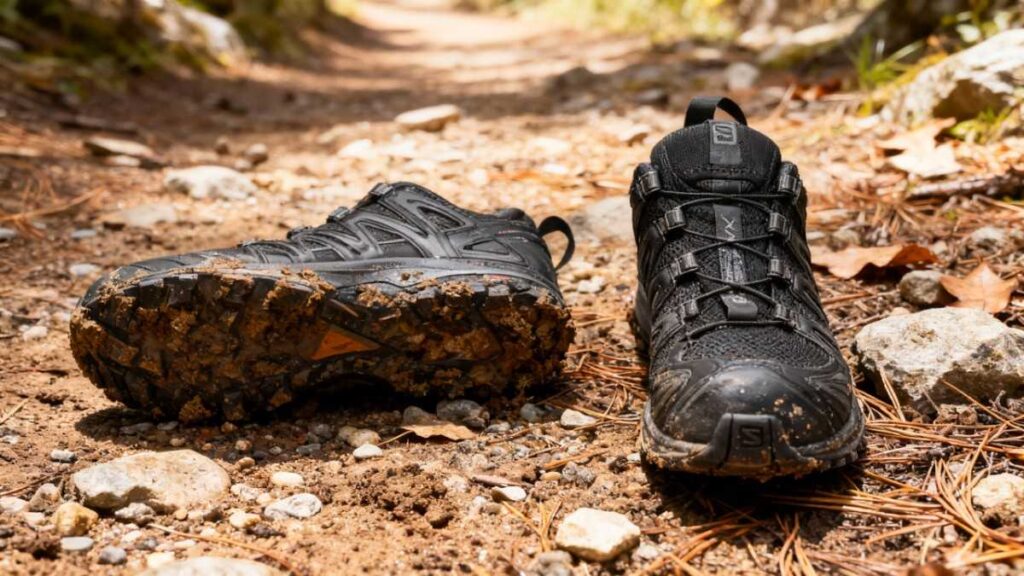
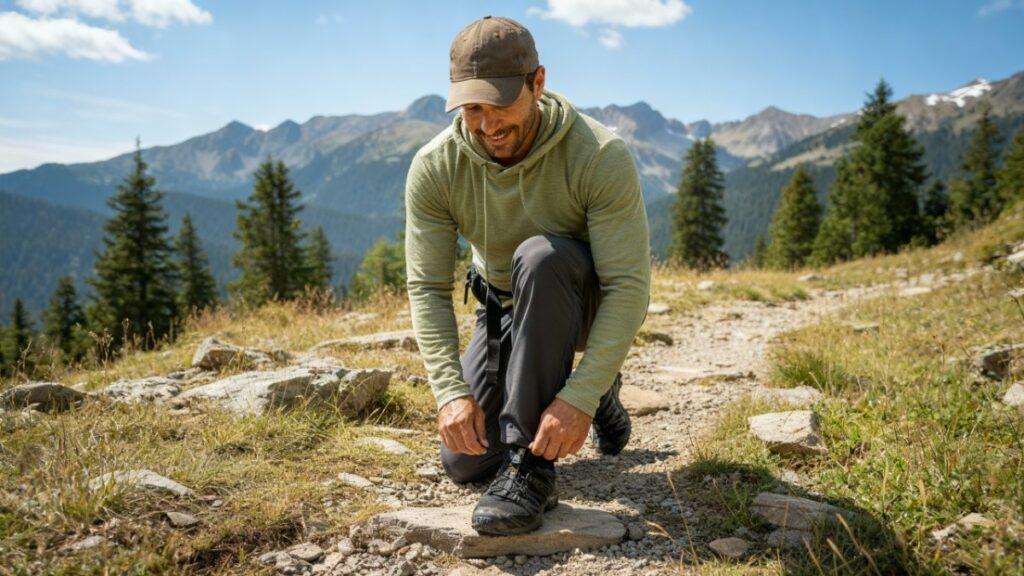
Testing was conducted across seven outings totaling 36 miles on mixed, technical Colorado singletrack to replicate real-world hiking and fastpacking demands. Routes included South Platte River Trail, a technical loop in Eldorado Canyon, and laps at Mount Falcon, exposing the shoe to wet granite, greasy roots, loose talus, and short scrambling. Most sessions were 4 to 6 mile efforts with two consecutive 10 to 12 mile days to stress midsole durability and fit under fatigue; cumulative elevation gain was about 4,800 feet and average pace sat near 10:05 minutes per mile on longer days.
I ran with a light daypack of roughly 7 pounds, used midweight socks, and tested standard and Gore-Tex V9 variants to compare breathability against waterproofing. Surface conditions spanned dry dusty approaches to post-rain slick rock and muddy tread to evaluate Contagrip performance and the roughly 3.5 mm lug profile for braking and self-cleaning. Break-in, edging, and repeated descents were monitored from day one to assess heel lock, toe-bumper protection, and long-run comfort, which clarified how GTX models trade breathability for moisture resistance, clarifying midfoot stability under load.
Performance
Fit & Sizing
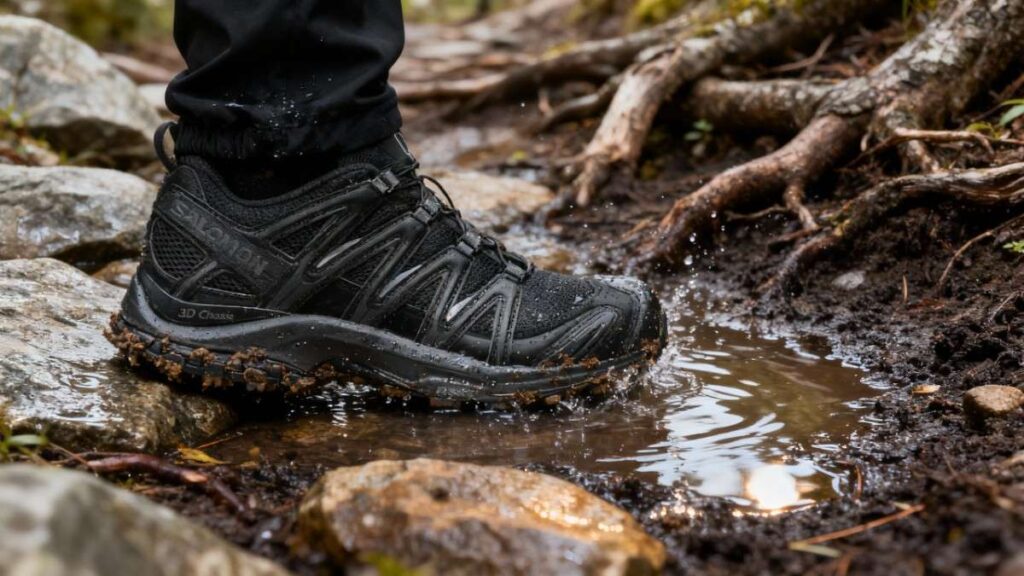
The XA Pro 3D generally fits true to size for most users, with the V9 iteration nudging the toe box toward a slightly roomier feel that accommodates medium-width feet comfortably. Toe shape is not overly narrow, but it will not match the foot-shaped volume of zero-drop or maximalist brands, so anyone with distinctly wide forefeet should consider the wide-last option or try a half size up. Heel hold is secure thanks to the padded collar and the Quicklace tensioning system, which tends to lock the heel in place without creating hotspots when adjusted properly.
The shoe sits in the medium-volume category, meaning narrow-footed users may enjoy the secure fit, while those who prefer heavy winter socks might find a little less room unless they size up. Break-in time is modest; many hikers report comfort out of the box for short to medium outings, while longer days can require a handful of miles for the upper to settle around the foot. Swapping insoles is feasible and usually improves arch support for those with orthotics, though thicker aftermarket insoles will reduce toe room and may necessitate a half-size increase. Half sizes are commonly available and Salomon’s wide SKU is worth exploring for broader feet.
Overall, the XA Pro 3D tends to deliver predictable, stable sizing that favors a secure, performance-oriented fit rather than a plush, roomy lounging experience.
Comfort & Cushioning
Underfoot the XA Pro 3D feels purposeful rather than pillowy. The midsole uses a fairly firm EVA construction with a 3D Advanced Chassis that prioritizes protection and stability over lively rebound. Hikers and trail runners describe the ride as controlled and composed, with enough cushioning to soften sharp rock strikes during moderate to long outings but not so much that you forget the terrain beneath you. Heel stack measurements commonly reported near 28 millimeters and forefoot near 17 millimeters create an approximately 11 millimeter drop that encourages a rearfoot bias and a steady cadence.
The stock insole is serviceable and moderately supportive, removable for orthotics or upgraded footbeds, which can improve daily comfort for higher arches. Arch support sits in the neutral-to-moderate range and tends to suit those who do not need aggressive corrective shaping. On multi-hour hikes the firmness helps reduce fatigue from constant twisting and impact by stabilizing the foot, though users seeking plush long-distance softness will note the lack of springy rebound. Break-in softens the upper and collar padding, improving comfort over the first 20 to 50 miles. Hotspots are uncommon when socks and lacing are correctly matched, but sloppy lacing or overly thin socks can expose the foot to localized rubbing on technical descents.
Support & Stability
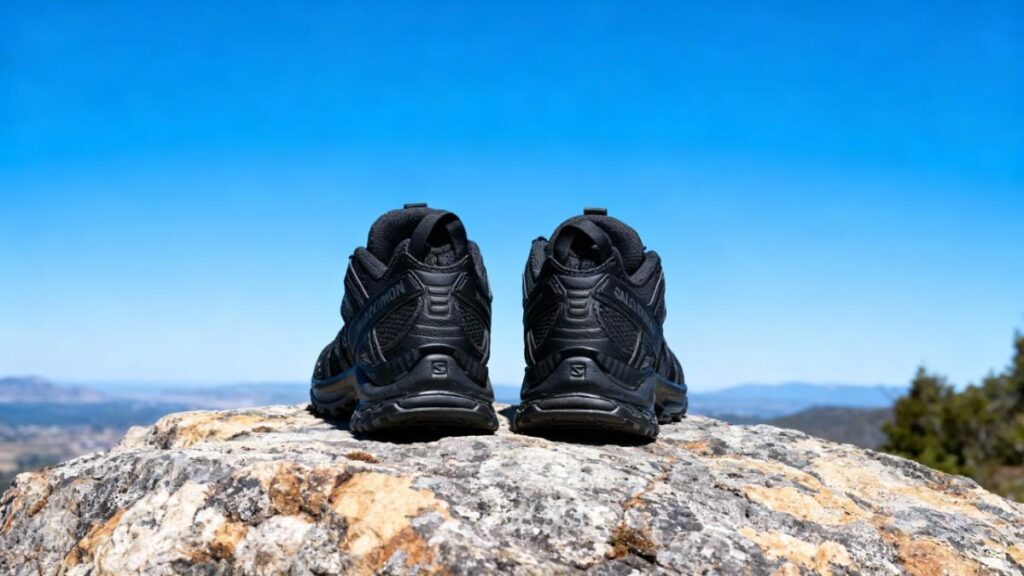
Support is a defining trait of the XA Pro 3D and it shows immediately on technical ground. The shoe is low-cut, so it does not provide ankle coverage like a mid or boot, but the low profile combined with the 3D Advanced Chassis creates a chassis-like platform that resists torsion and lateral collapse. That chassis acts similarly to a shallow shank, giving a measurable sense of directional control when edging on slabs or balancing on roots. Midsole stiffness is on the firmer side which helps the shoe carry a light daypack of around 7 to 15 pounds confidently and generally performs well under heavier, short-haul loads up to around 25 pounds.
The platform does a fine job preventing ankle rolls in routine technical terrain because the foot remains seated and the heel is locked by the Quicklace system. On steep descents the chassis and lug profile work together to steady foot placement and reduce wobble, though the low cut means extreme lateral forces could still challenge ankle stability compared to higher boots. For pronation control, the structure moderates collapse for most neutral to mildly overpronating walkers and runners, but anyone with significant pronation or who routinely carries very heavy packs should evaluate a mid or boot with a dedicated shank. Overall, the XA Pro 3D tends to make the foot feel anchored on complex trails without resorting to heavy, boot-like construction.
Traction & Outsole Performance
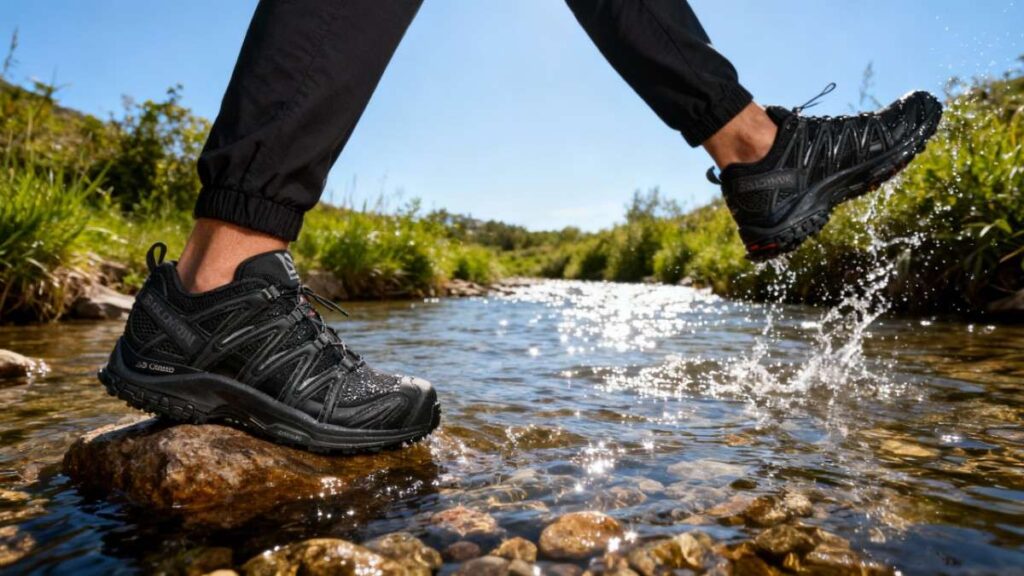
Salomon’s All Terrain Contagrip outsole on the XA Pro 3D is tuned for mixed, rocky surfaces and provides predictable bite in a wide range of conditions. Lug depth is moderate, generally around 3 to 4 millimeters on most V9 specs, striking a balance between bite and durability. On wet granite the outsole offers confident braking and edging, often outlasting lighter race-focused compounds that slip more readily on polished rock. Loose gravel and talus are handled well because the lugs clamp into the substrate and the chassis stabilizes the foot during lateral movements. In soft mud the moderate lug depth means the shoe does not self-clean as effectively as deeper-lugged mud shoes, so you may notice some clogging on sticky trails.
Uphill traction is solid due to the compound’s shear resistance and the shoe’s stable platform, while downhill braking benefits from the lug pattern and the chassis holding the foot secure. Compared to Vibram Megagrip, Contagrip tends to be a touch stiffer and longer wearing; it sacrifices a smidge of ultimate stickiness in favor of longevity. Snow and hard-packed ice are manageable for short stretches but do not replace dedicated winter traction systems. Overall, the XA Pro 3D’s outsole favors consistent, reliable traction on mixed terrain rather than specialized biting performance in one single condition.
Protection
Protection is where the XA Pro 3D truly reads like a compact approach shoe rather than a featherweight racer. The reinforced toe bumper and a robust rand give genuine defense against rock strikes and brush, and the upper materials are engineered to resist abrasion from repetitive contact with scree and branches. There is no full-length heavy-duty rock plate on all variants, but the firm EVA midsole combined with the 3D Advanced Chassis provides underfoot shielding that blunts sharp impacts and protects sensitive metatarsal areas on rocky routes.
The tongue integration and lacing geometry keep debris from pouring in during routine trail use, though deep sand or very fine grit can still work its way past the collar on steep scrambles. Interior seam placement is tidy and Salomon’s padded collar reduces friction points, so blister risk is relatively low when properly laced and paired with appropriate socks. The Quicklace hardware is recessed to avoid snagging and laces tend to be durable across many miles.
In wet, rooty descents the toe cap resists tearing and the upper does not balloon or deform easily. For users carrying heavier loads or engaging in aggressive scrambling, the shoe’s protection is reassuring but may not substitute for a dedicated leather boot with a full rock plate for very high impact scenarios.
Durability & Build Quality
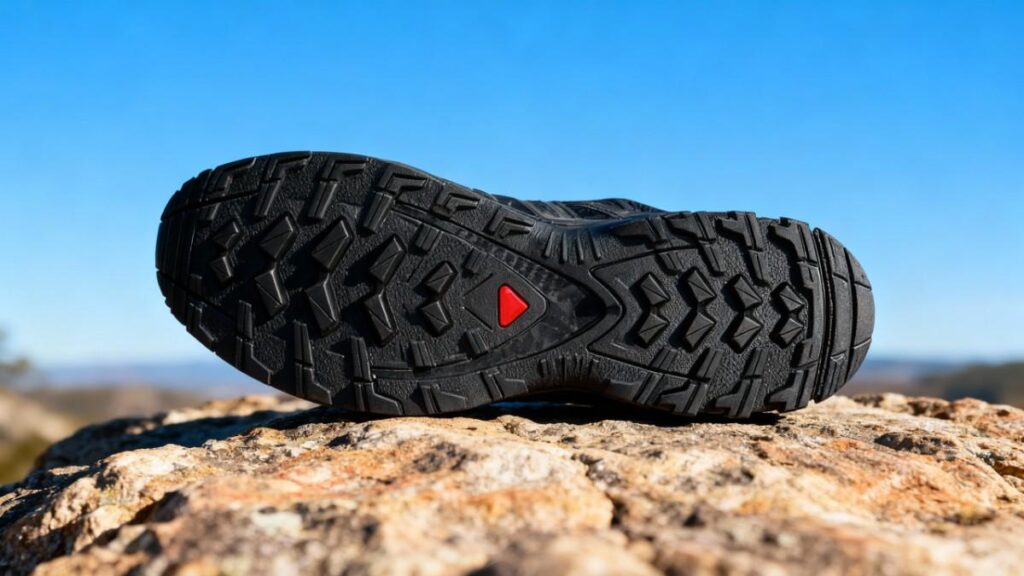
Build quality on the XA Pro 3D is solid and designed for long-term trail work rather than seasonal racing. The All Terrain Contagrip outsole holds up well, showing slow lug rounding rather than rapid wear on varied surfaces, and early reports of delamination are rare when the shoe is used for its intended purposes. The midsole foam resists catastrophic compression in the first hundreds of miles, though like any EVA it will gradually lose some rebound after extensive high-mileage use; expect a dependable lifespan measured in many hundreds of miles with normal hiking and trail running usage. Upper stitching, toe rand adhesion, and Quicklace components are robust, and eyelets resist deformation under repeated tension.
Gore-Tex membranes generally maintain waterproofness over long use, though aggressive cleaning and reproofing of the upper will help sustain performance and appearance. Maintenance is straightforward; rinsing grit from lugs, allowing the shoe to dry naturally, and occasional application of a water repellent for non-GTX versions will extend life. With moderate to heavy use you may see outsole wear and slight midsole compression by 400 to 800 miles depending on terrain and load, but most users will find the XA Pro 3D aging gracefully and remaining serviceable far longer than many lightweight trail racers.
Performance Table
| Metric | Result / Quick Finding |
| Weight (per pair) | ~720 g (~1 lb 9.4 oz) — V9 spec ≈360 g per shoe; feels noticeably heavier than modern racers. |
| Stack / Drop | Heel ~28 mm / Fore ~17 mm → Drop ≈11 mm — stable, rear-foot biased platform. |
| Lug Depth | ~3–4 mm — balanced bite for rock/rooted trails; less self-cleaning in sticky mud. |
| Stability (1–10) | 9 / 10 — 3D Advanced Chassis gives strong torsional control and edging confidence. |
| Traction (1–10) | 8.5 / 10 — All Terrain Contagrip grips mixed rock and loam well; slightly less sticky than aggressive winter compounds. |
| Break-in Time | ~20–50 miles — comfortable out of the box for shorter outings; upper settles around 20–50 miles for long-day comfort. |
| Durability (expected) | ~400–800 miles before noticeable midsole compression; outsole shows slow lug rounding rather than rapid wear. |
Downside
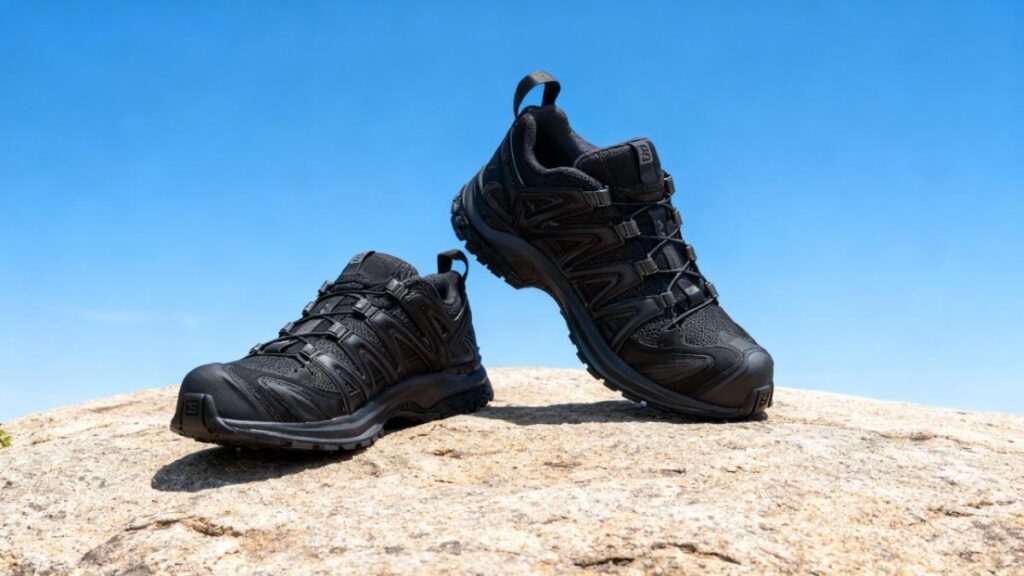
The XA Pro 3D pays for its protection with extra weight, so it tends to feel heavy and labored on long, tempo-driven outings where you want a snappy, responsive ride. Its midsole is intentionally firm, which blunts sharp impacts but also reduces rebound and leaves the shoe feeling sluggish for racers or hikers who prefer lively foam. Gore-Tex models noticeably cut breathability and dry slower after immersion, making them less comfortable in hot, sweaty conditions. The moderate 3–4 mm lugs do well on rock and roots but do not self-clean in sticky mud, so traction can degrade in deep, clayey trails.
Fit is generally true, yet narrow-forefoot or very wide-foot users may find the standard last snug and should test wide sizes; a minority report heel slip until laces are perfectly dialed. Finally, there is no heavy full-length rock plate on all variants, so for repeated high-impact climbing with very heavy packs, a stiffer boot remains the safer choice.
Best Alternatives for Salomon XA Pro 3D
Hoka Speedgoat 5
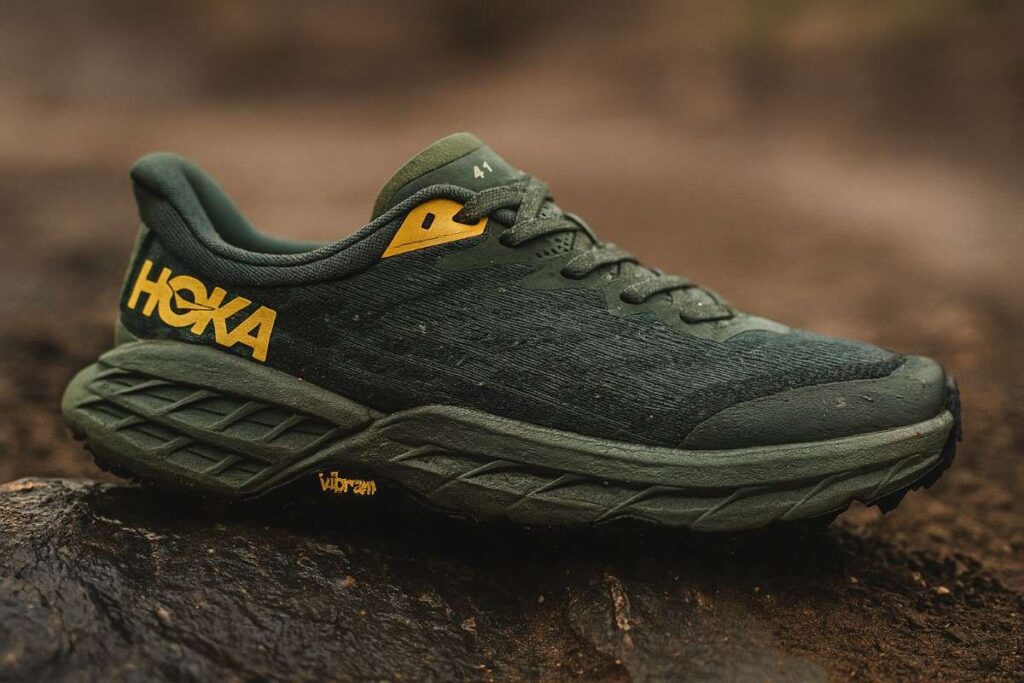
The bottom line: the Salomon XA Pro 3D leans toward a protective, stability-first mixed-terrain shoe while the Hoka Speedgoat 5 favors high-stack cushioning and plush long-mile comfort. The XA Pro 3D is noticeably firmer and heavier in use, with Salomon’s 3D Advanced Chassis and All Terrain Contagrip outsole that prioritize torsional control and durable bite on rock and roots. The Speedgoat 5 stacks far more foam with a rocker profile and Vibram Megagrip outsoles, producing a softer, more forgiving ride for long days.
Salomon XA Pro’s available Gore-Tex option trades breathability for reliable wet-weather protection, while the Speedgoat favors breathability and rebound from its CMEVA-based cushioning. Primary trade-off is protection and precise edging versus plush mileage and smoother transitions. Choose the XA Pro 3D if you want stability and rock confidence; buy the Speedgoat 5 if you prioritize long-day cushioning and softer landings.
La Sportiva Bushido II
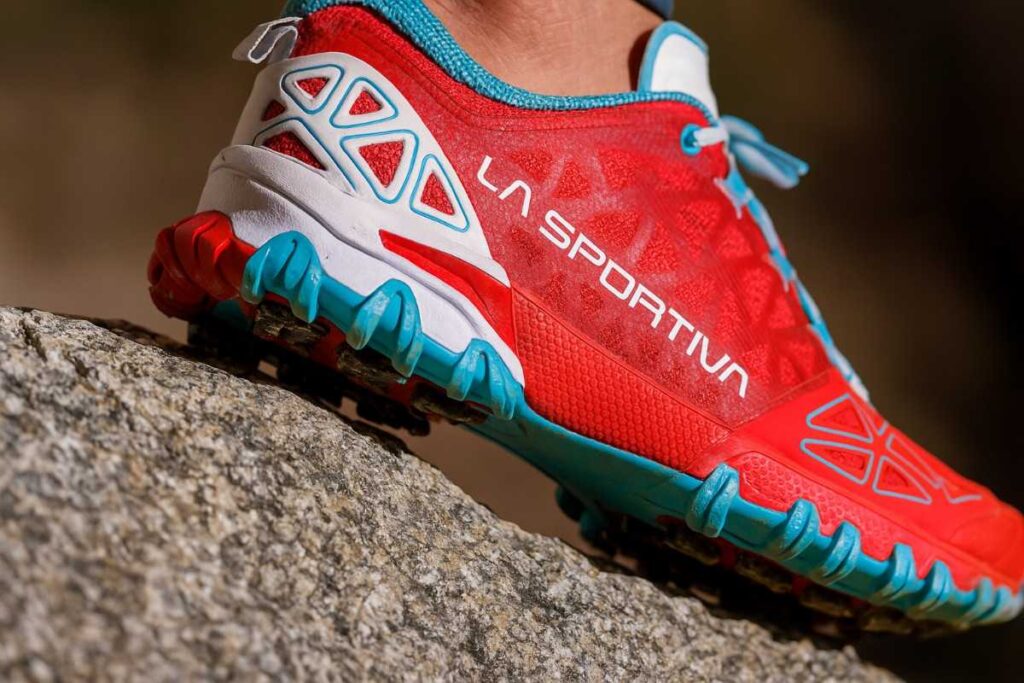
The Salomon XA Pro 3D leans toward a protective, stability-first mixed-terrain shoe, while the La Sportiva Bushido II favors a lighter, rock-grippy precision platform. The XA Pro 3D carries a firmer, higher-stack setup (roughly 28/17 mm stack, 11 mm drop) with Salomon’s 3D Advanced Chassis and All Terrain Contagrip outsole, and it is available in Gore-Tex for wet-weather sealing, making it feel heavier but more guarded on rough ground.
The Bushido II is lighter, lower-drop and built around a sticky FriXion XT outsole plus a lower-profile midsole with a protective rock plate, giving agile edging and confident traction on technical rock. The trade-off is mass and weatherproofing for stable protection versus minimal weight and rock feel. Choose the XA Pro 3D if you need stability and wet-weather protection; buy the Bushido II if you prioritize nimble rock performance.
Salomon X Ultra 4 Mid GTX
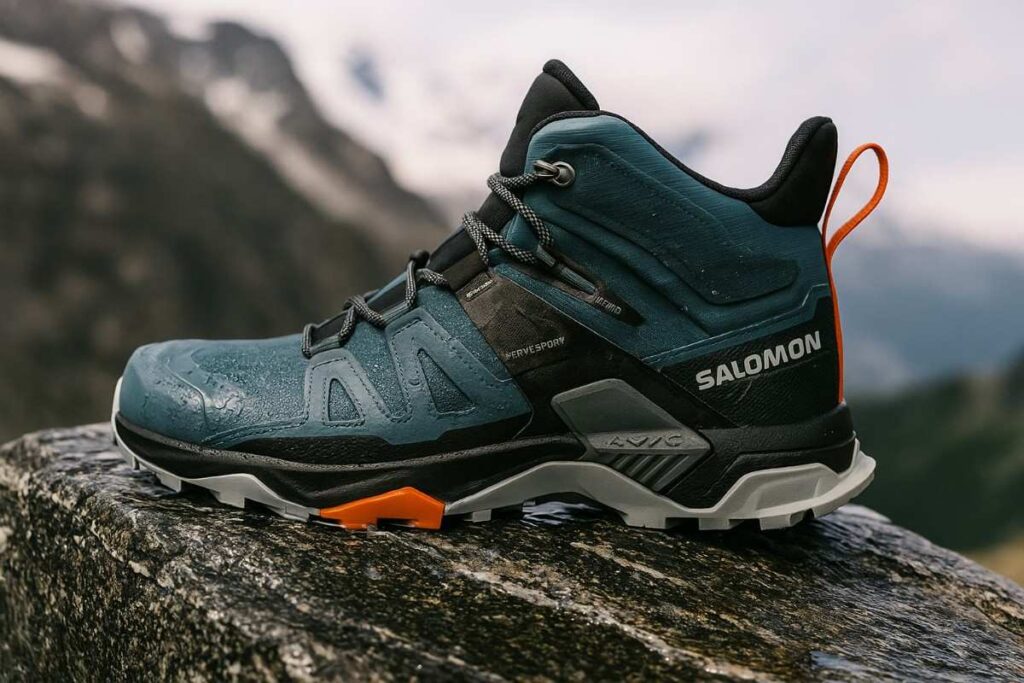
Salomon XA Pro 3D leans toward a stability-first, protective mixed-terrain shoe while the Salomon X Ultra 4 Mid GTX favors mid-cut hiking comfort and lighter long-day hauling. The XA Pro 3D pairs a 3D Advanced Chassis with All Terrain Contagrip and a firmer EVA midsole, which yields strong torsional control and precise edging but adds measurable heft compared with lightweight trainers. The X Ultra 4 Mid GTX offers a higher stack, EnergyCell midsole and a mid-cut Gore-Tex build that reduces strain on long hikes and keeps feet drier in rain, while its chassis and lug pattern prioritize downhill control with less perceived stiffness.
Primary trade-off is protection and precise rock feel versus softer long-mile comfort and weather sealing. The XA Pro 3D is best for technical, mixed routes where stability matters; the X Ultra 4 Mid GTX is best for longer hikes and wetter conditions. Buy the XA Pro 3D if you value rock confidence; choose the X Ultra 4 Mid GTX if you want lighter, more cushioned hiking performance.
Comparison of Best Alternatives
| Name | Weight (per pair) | Waterproof (Y/N, membrane) | Best For | Price $$ |
| Salomon XA Pro 3D | ~1.42 lb | Optional — GORE-TEX on GTX SKUs (non-GTX available). | Technical mixed terrain, stability & protection. | $140 |
| Hoka Speedgoat 5 | ~1.29 lb | No (base model). GTX/spike winter variants exist with GORE-TEX. | Cushioned, long-mile technical trail running and fastpacking. | $155 |
| La Sportiva Bushido II | ~1.31 lb | No (standard model); GTX variants available from La Sportiva. | Very technical, rock-grippy trail running and precise scrambling. | ~$155 |
| Salomon X Ultra 4 Mid GTX | ~1.90 lb | Yes, GORE-TEX (mid-cut waterproof hiking boot). | Mid-cut hiking, wet-weather day hikes and lighter backpacking. | $175 |
Who Should Buy / Avoid Salomon XA Pro 3D
Who Should Buy
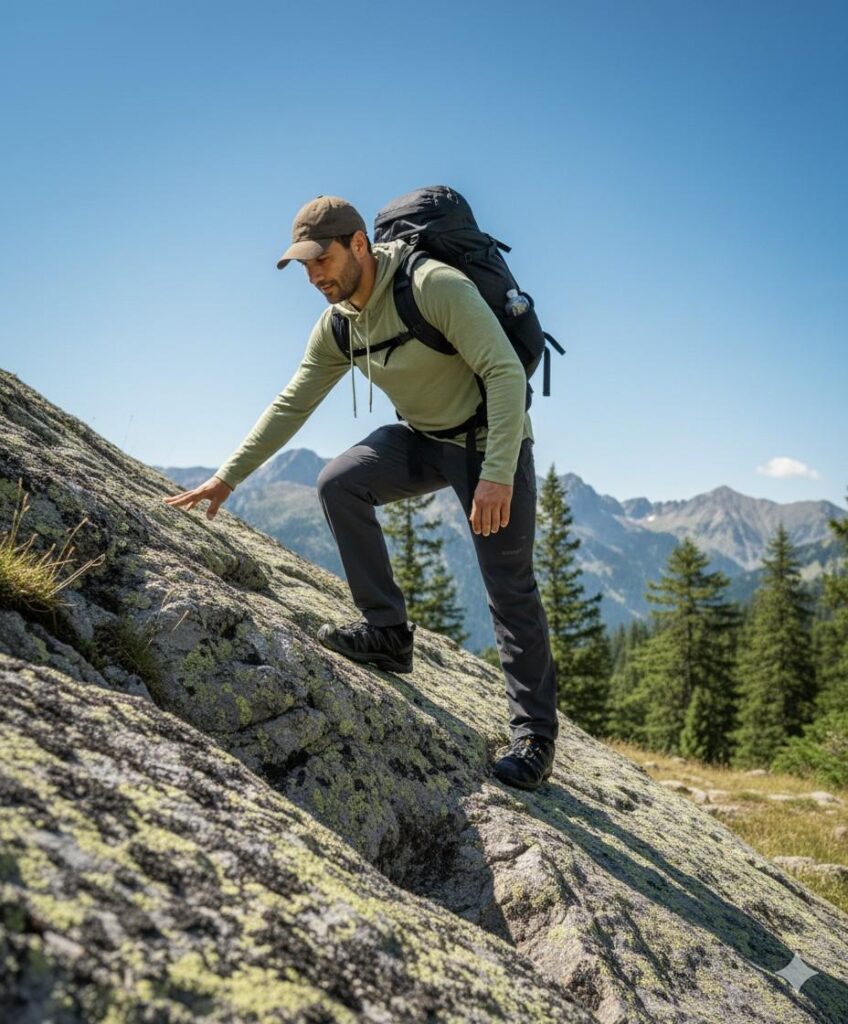
- Hikers and trail runners who tackle technical, mixed terrain and need stability over varied surfaces.
- Users who carry lightweight to moderate daypacks (10–20 lb) and want underfoot protection without switching fully to boots.
- Those who venture into wet environments and benefit from the GORE-TEX version to keep feet dry.
- Runners or trekkers who value torsional control, rock-strike protection, and confidence over rebound or softness.
Who Should Avoid
- Minimalist runners or ultralight racers who prioritize cushioning, bounce, and low weight under 9 oz.
- People with very wide forefeet who cannot access a wide SKU—standard last may feel tight.
- Users in hot, humid climates who sweat heavily and might find GTX models too stifling.
- Backpackers carrying heavy loads (35 lb+) or doing long multi-day treks who may prefer full boots with stronger shanks and ankle support.

Ethan Marlowe is an experienced hiker and outdoor gear specialist based in Colorado. With over 7 years of hands-on experience trekking through the Rockies, Pacific Northwest, and East Coast trails, he delivers practical advice, expert gear reviews, and survival insights. His goal is to help hikers of all levels make smarter decisions on and off the trail.